
Your Challenges


Your Challenge
What's Actually Behind the Number?
Five manufacturers quote the same shirt specification—same fabric weight, same construction, same finish—and the prices come back varying by 30% or more, often with little explanation for the gap. One quote is suspiciously low, another feels inflated for no clear reason, and a third sits somewhere in between with vague line items that don't clearly separate fabric, trims, labour, and finishing costs.
Some quotes bundle everything together into a single figure; others itemise every component in detail, making a genuine side-by-side comparison difficult even when the specification on paper looks identical across every manufacturer being considered for the order.
How it affects Your Business
The Lowest Unit Price Can Become the Highest Total Cost
Competitive pricing is essential, but a low quotation does not always represent the true cost of production. Quality failures, delays, excess inventory, rework and urgent shipping can quickly eliminate the savings promised at the beginning of an order.
_11zon.webp?width=407&height=230&name=image%20(62)_11zon.webp)

Quality Compromises
Low prices may be achieved through unsuitable materials, reduced workmanship standards or insufficient quality control.
_11zon-1.webp?width=407&height=230&name=image%20(61)_11zon-1.webp)

Hidden Production Costs
Sampling, revisions, trims, packaging or testing may be excluded from the initial quotation and added later.
_11zon-1.webp?width=407&height=230&name=image%20(62)_11zon-1.webp)

Rework and Replacement Expenses
Products that fail to meet approved standards create additional repair, replacement and inspection costs.
_11zon.webp?width=407&height=230&name=image%20(63)_11zon.webp)
.svg)
Margin Pressure from Delays
Late deliveries can reduce full-price selling time and force brands to discount products sooner than planned.
_11zon.webp?width=407&height=230&name=image%20(64)_11zon.webp)

Expensive Logistics Recovery
Production delays may require urgent air freight or alternative delivery arrangements that significantly increase landed cost.
_11zon.webp?width=407&height=230&name=image%20(65)_11zon.webp)

Unreliable Long-Term Planning
Constant price changes and unclear cost structures make it difficult to forecast margins and build sustainable production programmes.
Our Expertise
Expertise That Balances Cost, Quality and Commercial Value
Cost-effective manufacturing is not about selecting the cheapest available option. It requires intelligent material choices, production-ready design, transparent costing and reliable execution across the complete order.
Cost Decisions Made at the Right Stage

Product Cost Engineering
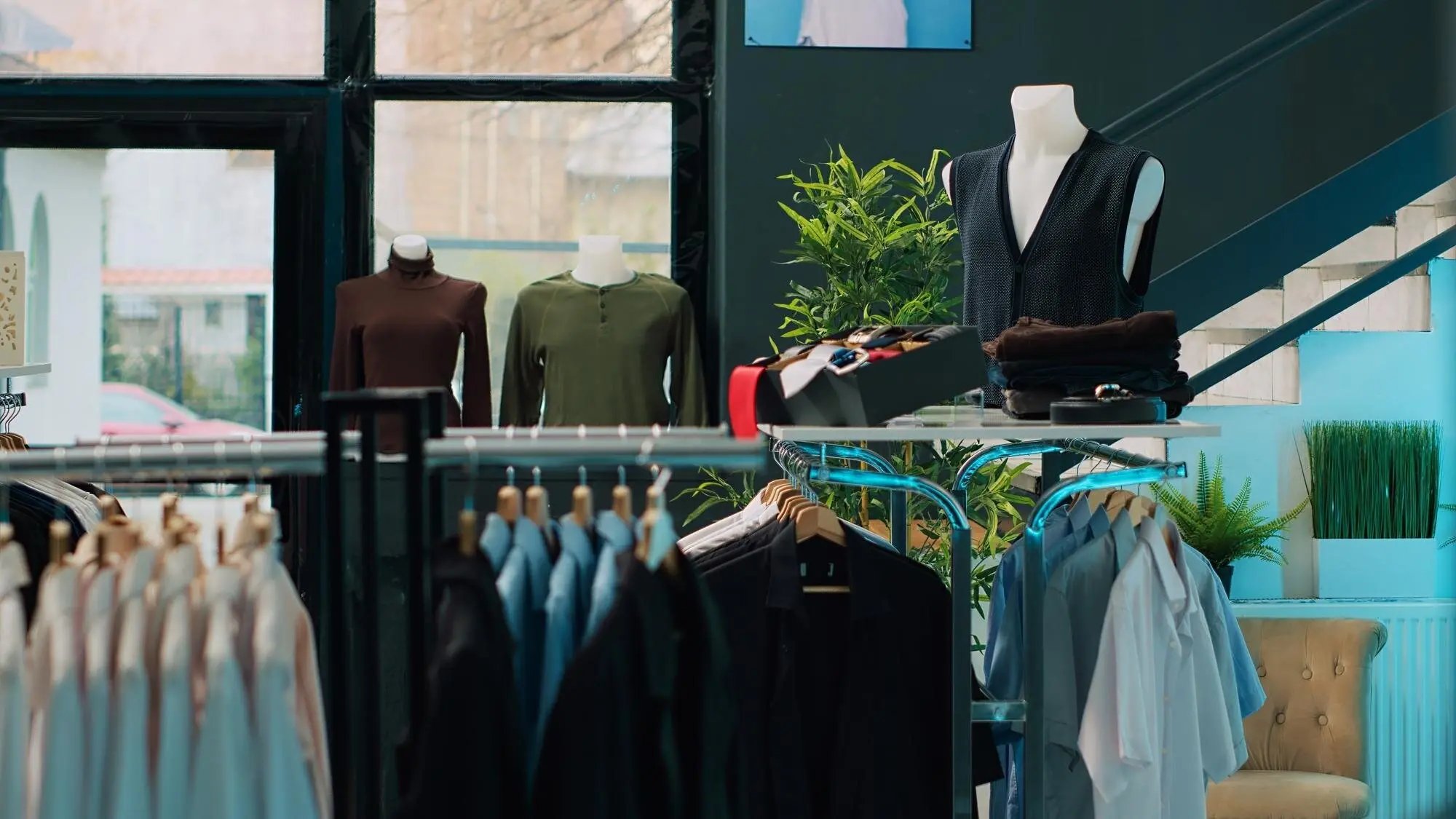
Product specifications are reviewed to understand the cost effect of fabrics, trims, construction and finishing requirements.
Alternative solutions can be evaluated without losing the product’s essential character.




How We Solve
A Smarter Approach to Production Cost
Our process evaluates the complete commercial picture. Instead of focusing only on unit price, we consider product requirements, materials, production efficiency, quality risks and delivery expectations.

Understand the Target Position
We begin by reviewing the intended customer, quality level, target price and commercial objectives.
- Target market alignment
- Product expectation review
- Budget and margin considerations
_11zon.webp?width=298&height=180&name=images%20(1)_11zon.webp)
Identify the Main Cost Drivers
Fabric, trims, construction, quantities and finishing requirements are evaluated in detail.
- Material cost analysis
- Construction complexity review
- Order structure assessment
_11zon.webp?width=298&height=180&name=main-img%20(5)_11zon.webp)
Develop Practical Alternatives
Where appropriate, alternative materials or construction methods are proposed to improve commercial efficiency.
- Fabric and trim alternatives
- Simplified construction options
- Shared material opportunities
_11zon.webp?width=298&height=180&name=main-img%20(6)_11zon.webp)
Provide a Clear Quotation
Pricing is structured around confirmed product and order requirements.
- Defined production assumptions
- Included service visibility
- Clear change-impact communication
.png?width=298&height=180&name=main-img%20(2).png)
Protect Quality During Production
Approved standards are controlled throughout manufacturing to reduce the cost of defects and corrections.
- Material approval controls
- In-line quality checks
- Final inspection
.png?width=298&height=180&name=images%20(1).png)
Review Long-Term Value
Repeat orders, shared materials and future production requirements are considered when building the manufacturing plan.
- Repeat-order planning
- Volume development opportunities
- Long-term cost consistency
Results
Better Cost Control Without Compromising the Product
A commercially balanced production plan helps brands protect margins, reduce unexpected expenses and maintain the quality customers expect.
By aligning product design, materials, production and delivery requirements from the beginning, GarudaX helps create value across the complete manufacturing programme — not only on the initial quotation.

Greater Cost Transparency

Fewer Unexpected Expenses

Stronger Long-Term Value

Typical Scenario
From Low-Price Risk to Better Commercial Value
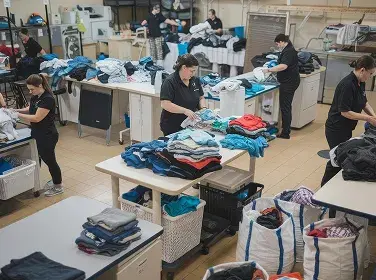
How total-cost thinking turns a low quotation into real commercial value.


