
Your Challenges

Your Challenge
When Small Changes Aren't Small
Small development requests are a normal part of building a collection. Adjustments such as shortening body length, switching from a standard placket to a French placket, testing two collar variations before final approval, or using different buttons across colourways are common refinements during sampling and pre-production.
However, many manufacturers operate within fixed production systems where styles are expected to be confirmed early and repeated without variation. Once a pattern is approved, changes to construction or finishing details often require reworking technical files, adjusting production setup, or re-planning how the style moves through the factory, even for what appear to be minor modifications.
How it affects Your Business
When Your Manufacturer Cannot Adapt, Your Brand Loses Agility
Apparel businesses operate in a market where quantities, timelines and product requirements can change quickly. A rigid manufacturing partner can make it difficult to respond to demand, test new ideas or adjust production without creating delays and unnecessary costs.
_11zon.webp?width=407&height=230&name=image%20(62)_11zon.webp)

Limited Order Flexibility
Rigid production structures make it difficult to manage different quantities across styles, colours and customer requirements.
_11zon-1.webp?width=407&height=230&name=image%20(61)_11zon-1.webp)

Restricted Product Development
Manufacturers with limited capabilities may reject complex styles, specialised fabrics or non-standard construction requirements.
_11zon-1.webp?width=407&height=230&name=image%20(62)_11zon-1.webp)

Slow Response to Change
Minor revisions to products, quantities or timelines can create disproportionate delays when workflows are not designed to adapt.
_11zon.webp?width=407&height=230&name=image%20(63)_11zon.webp)
.svg)
Missed Market Opportunities
Brands may be unable to react to new trends, customer requests or unexpected commercial demand.
_11zon.webp?width=407&height=230&name=image%20(64)_11zon.webp)

Difficult Growth Transitions
A manufacturer suited to one production volume may struggle as a brand moves from smaller orders into larger programmes.
_11zon.webp?width=407&height=230&name=image%20(65)_11zon.webp)

Increased Supplier Dependency
When a partner cannot accommodate changing needs, brands are forced to coordinate multiple manufacturers and manage greater supply-chain complexity.
Our Expertise
Expertise Designed Around Changing Business Needs
Flexible manufacturing requires more than accepting different order quantities. It depends on versatile product knowledge, adaptable production planning and the ability to coordinate changing requirements without losing control of quality or delivery.
Manufacturing Built to Adapt
Product Development
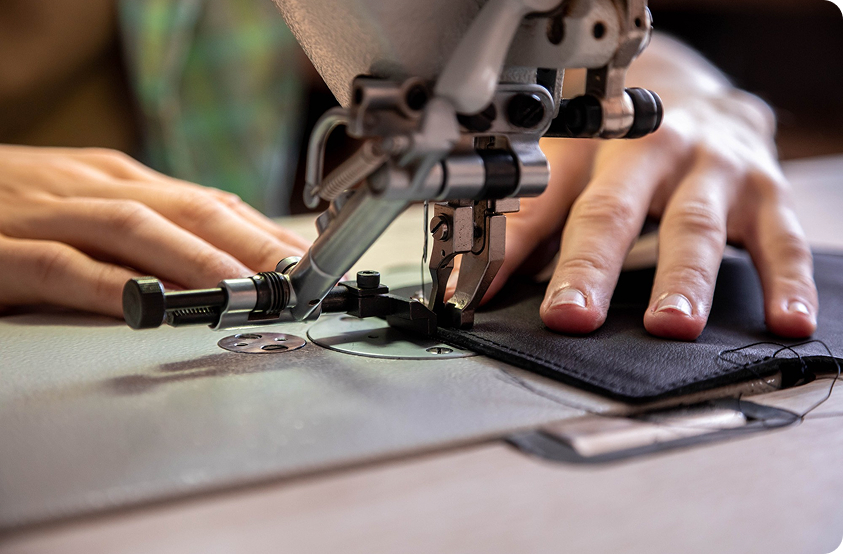
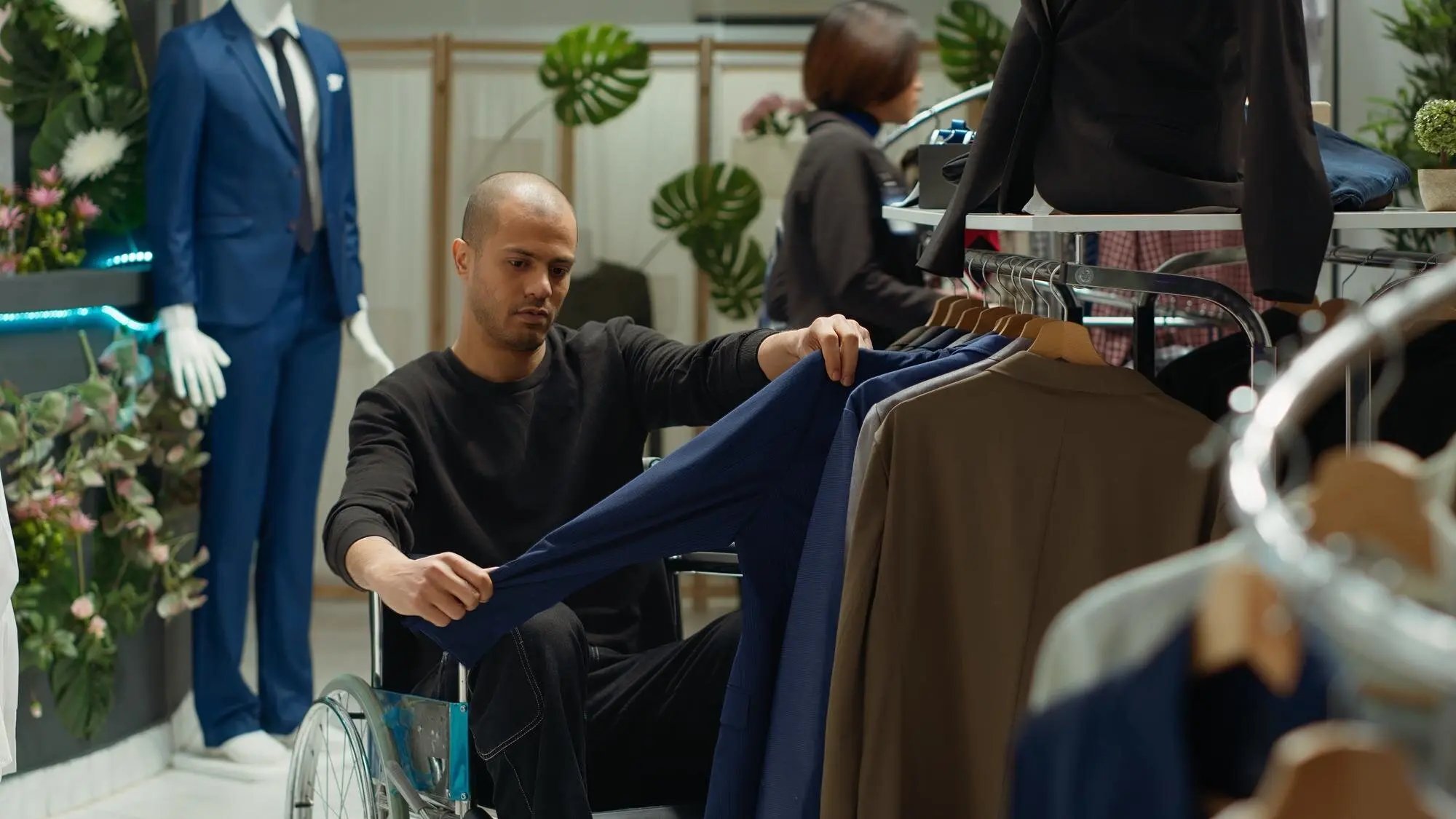
We support different product directions, construction requirements and collection structures through a consultative development process.
Each project is evaluated according to its specific commercial and technical needs.

How We Solve
A Manufacturing Structure That Adapts with Your Brand
Our approach begins with understanding the complete commercial requirement. We then build a production plan that balances product complexity, quantities, materials, quality and future growth.
Understand the Wider Requirement
We review the full collection, order structure and commercial objective rather than evaluating each product in isolation.
- Collection and SKU review
- Quantity and priority assessment
- Short- and long-term goals
_11zon.webp?width=298&height=180&name=images%20(1)_11zon.webp)
Identify Flexible Options
Alternative production, material and construction routes are evaluated where necessary.
- Shared material opportunities
- Alternative trim solutions
- Construction feasibility review
_11zon.webp?width=298&height=180&name=main-img%20(5)_11zon.webp)
Structure the Order Practically
Styles, colours and quantities are organised into a commercially and operationally workable production plan.
- Mixed-style planning
- Balanced volume allocation
- Realistic production sequencing
_11zon.webp?width=298&height=180&name=main-img%20(6)_11zon.webp)
Manage Changes with Control
Necessary revisions are assessed according to their effect on cost, materials, capacity and delivery.
- Change-impact evaluation
- Updated approval records
- Clear timeline adjustments
.png?width=298&height=180&name=main-img%20(2).png)
Protect Quality During Transition
Approved standards remain controlled as quantities, styles or production requirements evolve.
- Specification consistency
- Scalable inspection processes
- Repeat-order references
.png?width=298&height=180&name=images%20(1).png)
Plan for Future Growth
Initial production decisions are made with repeat orders and larger programmes in mind.
- Capacity forecasting
- Repeat-production readiness
- Long-term material planning
Results
Greater Flexibility Without Losing Control
An adaptable manufacturing structure gives brands more freedom to respond to customers, develop new products and scale successful programmes.
By evaluating the complete project and planning around real commercial priorities, GarudaX helps brands remain agile while maintaining clear standards for quality, cost and delivery.

More Adaptable Production

Easier Product Expansion

Stronger Long-Term Partnership

Typical Scenario
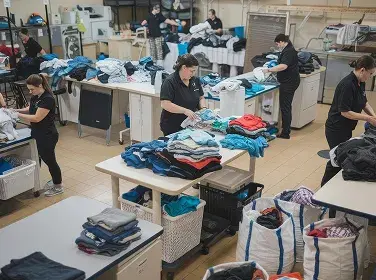
From Rigid Requirements to Practical Production
How adaptable production planning turns rigid requirements into practical options.


